Digital Wallets Growth: How They Are Replacing Traditional Payment Methods
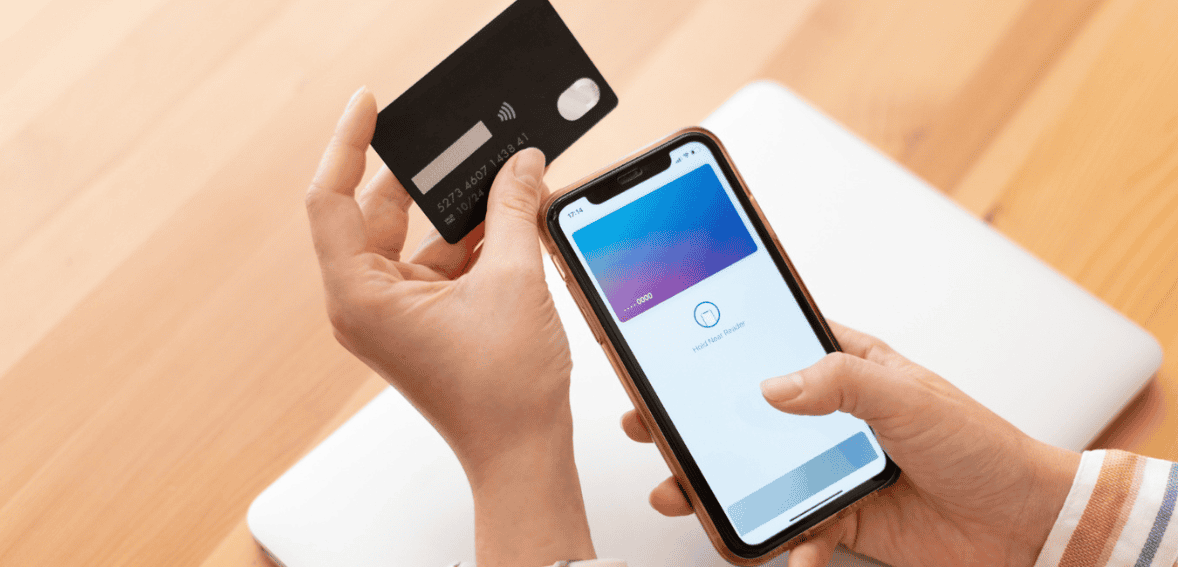
The way people handle money has changed dramatically over the last decade. Not long ago, most transactions were completed with cash or physical cards carried in a wallet. Today, many consumers reach for their smartphones instead of leather billfolds. A few taps on a screen can pay for groceries, transfer money to friends, or complete an online purchase. This shift reflects the rapid digital wallets growth seen across the globe.
Technology, convenience, and changing consumer expectations have fueled this transformation. Mobile payment apps have become common even among older generations who once relied heavily on physical currency. As wallet-based payments become more accepted in stores, restaurants, public transport, and online platforms, traditional payment methods are gradually losing dominance. Contactless finance solutions are no longer futuristic concepts but everyday tools.
Understanding What Digital Wallets Are
Digital wallets are applications or online platforms that store payment information securely. Instead of carrying physical cards, users save their debit, credit, or prepaid card details within an app. These wallets can also store gift cards, loyalty points, and sometimes identification documents. The steady digital wallets growth reflects how comfortable people have become with storing financial credentials digitally.
Mobile payment apps allow users to complete transactions through smartphones, tablets, or smartwatches. These tools rely on encrypted connections and secure authentication methods such as fingerprint recognition or facial scans. Wallet-based payments simplify the checkout process by eliminating the need to swipe cards or handle cash. As contactless finance solutions continue to improve, digital wallets are becoming a primary method of transaction rather than a backup option.
The Convenience Factor Driving Adoption
One of the strongest forces behind digital wallets growth is convenience. Consumers value speed and ease in daily activities, and paying through mobile payment apps is often faster than handling cash or inserting a card. Transactions can be completed in seconds, especially in retail settings that support tap to pay technology.
Wallet-based payments also streamline online shopping. Instead of typing card details repeatedly, users select their saved wallet and authorize with a quick biometric check. This simplicity reduces friction and cart abandonment. Contactless finance solutions eliminate small inconveniences that once slowed transactions. Over time, as people experience smoother purchases, reliance on traditional methods gradually decreases. Convenience alone has played a central role in accelerating this financial transition.
Security Improvements and Consumer Confidence
Many people were initially hesitant about digital wallets due to security concerns. However, advances in encryption, tokenization, and biometric authentication have boosted trust significantly. Digital wallets growth has been supported by layered security features that often exceed the protection provided by physical cards.
Mobile payment apps typically replace actual card numbers with unique tokens during transactions. This process prevents merchants from storing sensitive data directly. Wallet-based payments often require fingerprint scans, face recognition, or secure passcodes before approval. These additional steps make unauthorized access more difficult. Contactless finance solutions also reduce the risk of lost wallets or stolen cards because payment credentials can be remotely disabled. As consumers recognize these safety benefits, their confidence in digital payments continues to increase.
Retail Transformation and Contactless Acceptance
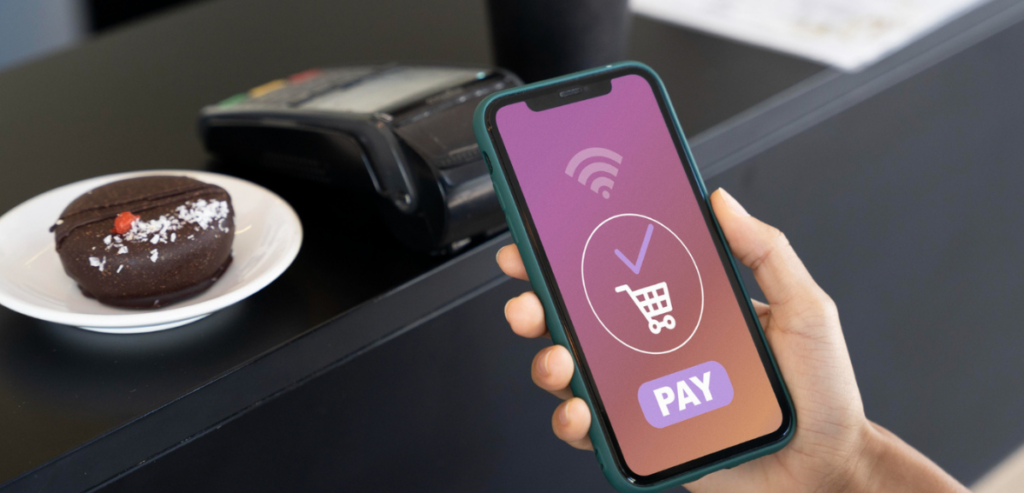
Retailers have adapted quickly to the digital wallets growth by upgrading point of sale systems to accept tap based transactions. During recent years, health concerns accelerated adoption of contactless finance solutions in physical stores. Customers preferred minimal physical interaction during checkout, which increased reliance on mobile payment apps.
Wallet-based payments allow shoppers to complete purchases without touching keypads or exchanging cash. This change reshaped customer expectations. Many now view contactless options as standard rather than optional. As retailers invest in compatible technology, digital wallets become more integrated into daily commerce. This synergy between consumer preference and merchant capability strengthens the shift away from traditional payment practices.
The Influence of Ecommerce and Online Platforms
Online commerce has expanded rapidly, contributing significantly to digital wallets growth. Ecommerce platforms benefit from simplified checkout processes that reduce friction. Mobile payment apps integrate seamlessly with shopping apps, subscription services, and streaming platforms.
Wallet-based payments offer one click purchasing options that speed up online transactions. This efficiency enhances user satisfaction and reduces abandoned purchases. Contactless finance solutions also support recurring billing for memberships and digital services. As online commerce continues to grow, digital wallet usage becomes even more deeply embedded in consumer habits. The boundary between offline and online purchasing becomes less visible as unified payment ecosystems evolve.
Peer to Peer Transfers and Social Payments
Another powerful driver of digital wallets growth is peer to peer payment functionality. Splitting restaurant bills, paying rent to roommates, or sending birthday gifts has become easier through mobile payment apps. These features remove the inconvenience of handling cash or writing checks.
Wallet-based payments within social networks and messaging platforms create seamless financial interactions. Contactless finance solutions now extend beyond retail into everyday social exchange. Younger generations in particular adopt these systems quickly because they align with digital lifestyles. As transferring money becomes as simple as sending a text message, traditional practices such as cash sharing decline steadily.
Government Support and Financial Inclusion
In many regions, governments have promoted digital wallets growth as part of financial modernization initiatives. Encouraging mobile payment apps reduces reliance on cash economies and improves transaction transparency. Wallet-based payments make it easier to distribute subsidies, refunds, and benefits directly to individuals.
Contactless finance solutions also increase financial inclusion for people without traditional bank accounts. Some digital wallets allow users to store funds and transact without visiting physical bank branches. This accessibility expands participation in formal financial systems. As digital infrastructure continues to improve, more communities gain access to secure electronic payment tools.
Integration With Daily Life Services
Digital wallets growth extends beyond shopping and transfers. Many mobile payment apps now integrate with transportation systems, ticket bookings, and utility bill payments. Consumers can pay for bus rides, movie tickets, or electricity bills from a single platform.
Wallet-based payments centralize financial activity, reducing the need for multiple apps or physical transactions. Contactless finance solutions unify daily services within one digital environment. This integration strengthens user reliance on wallets because they become part of routine habits. As people grow accustomed to managing diverse services through one interface, returning to fragmented payment methods feels inconvenient.
The Role of Fintech Innovation
Financial technology companies have played a significant role in accelerating digital wallets growth. Continuous innovation improves user experience, adds new features, and enhances security. Mobile payment apps regularly update interfaces to remain intuitive and responsive.
Wallet-based payments are increasingly combined with budgeting tools, savings features, and investment access. Contactless finance solutions now include loyalty rewards, cashback offers, and digital receipts. These additional benefits create incentives for adoption beyond basic payment functions. As fintech competition intensifies, companies invest more resources into refining digital wallet ecosystems.
Challenges Facing Traditional Payment Methods
Traditional payment methods face growing pressure from digital wallets growth. Cash usage declines in many regions as younger consumers rarely carry physical currency. Even plastic cards are increasingly replaced by mobile payment apps stored in phones.
Wallet-based payments simplify transactions in ways that physical cards cannot replicate. Contactless finance solutions eliminate the need to remember PIN codes or carry multiple cards. While traditional banking systems still underpin many wallet transactions, visible consumer interaction shifts toward digital platforms. Over time, legacy systems must adapt or risk losing relevance in everyday transactions.
Challenges and Concerns Around Digital Adoption
Despite digital wallets growth, concerns remain regarding privacy and dependency on technology. Some consumers worry about data tracking and potential misuse of transaction information. Mobile payment apps rely heavily on internet connectivity and smartphone access, which may not be universal.
Wallet-based payments also require digital literacy. Contactless finance solutions must balance simplicity with strong security practices. Technical disruptions or cybersecurity threats can temporarily affect access to funds. Addressing these challenges requires robust infrastructure and transparent policies. Continued consumer education strengthens trust and encourages responsible usage.
The Future of Payments
The steady digital wallets growth indicates that electronic payment systems will continue evolving. Mobile payment apps are expected to expand into new areas such as cross border transfers and digital identity verification. Wallet-based payments may integrate further with smart devices and wearable technology.
Contactless finance solutions are likely to become even faster and more seamless. Innovations such as biometric authentication and blockchain based settlement systems could enhance efficiency. Traditional payment methods may not disappear entirely, but their dominance appears to be fading. As technology becomes more integrated into daily life, digital wallets are positioned to become central hubs for financial management.
Impact on Small Businesses and Merchants
The rapid growth of digital wallets has had a major impact on the way small businesses function. Merchants are increasingly turning to solutions that support mobile payment apps because customers demand fast and flexible payment solutions. The use of wallet-based payments enables small neighborhood stores to offer a contemporary shopping experience. With the increasing dependence of consumers on smartphones, businesses that do not have contactless financial solutions will appear antiquated.
Digital wallets can eliminate transaction friction and improve queues for merchants, especially in busy settings such as cafes or shops. Improved checkout times can mean increased customer satisfaction and loyalty. Mobile payment apps also come with analytics software that enables the monitoring of shopping behavior and loyalty programs. Although there may be costs associated with equipment upgrades, the long-term benefits of wallet-based payments usually outweigh such considerations. With the continued growth of digital wallets, businesses that are early adopters put themselves ahead in the increasingly cashless market.
Cross Border Payments and Global Accessibility
One of the most encouraging developments that has come about as a result of the rise of digital wallets is the ease of making international payments. The traditional method of making international payments has always been fraught with the challenges of foreign exchange, delays in banking, and other charges. Mobile payment applications are now making this process easier by allowing for multi-currency storage and quick transfers.
Digital wallet payments minimize the need for physical foreign exchange and international card authorization. The use of contactless finance solutions is now making it easier for users to make payments abroad with fewer hassles. Some of the digital wallets have partnered with international payment systems to make this process easier. With the increasing interconnectivity of the world, the rise of digital wallets is opening up opportunities for easy financial interactions across borders.
Digital Wallets and Changing Consumer Behavior
The expansion of digital wallets growth is closely tied to evolving consumer behavior. Younger generations, in particular, are accustomed to handling most daily tasks through smartphones. Mobile payment apps fit naturally into routines that already include online shopping, digital communication, and streaming services. This behavioral shift reinforces the replacement of traditional payment methods with wallet-based payments.
Contactless finance solutions also influence budgeting habits. Instant notifications and digital records provide transparency about spending patterns. Users can monitor transactions immediately rather than waiting for bank statements. This visibility encourages more conscious financial decisions. As convenience and awareness combine, digital wallets growth reshapes not only how people pay but how they think about money management. Over time, these behavioral patterns further distance consumers from dependence on physical cash or standalone plastic cards.
Environmental and Sustainability Considerations
A factor that has contributed to the growth of digital wallets indirectly is environmental awareness. The reduction of paper receipts, the reduction of physical card production, and the reduction of the use of printed money are all factors that contribute to environmental sustainability. Mobile payment applications also provide digital receipts that reduce the use of paper. Digital wallets also reduce the need to produce plastic cards repeatedly.
Digital finance applications are in line with the need to create efficient and resource-conscious systems. Although digital applications consume energy in terms of server and data center usage, the reduction in the use of physical materials and the reduction in logistics associated with transportation can lead to a reduction in environmental impact. As sustainability becomes a more influential factor in purchasing decisions, the growth of digital wallets is in line with environmentally friendly preferences. Companies that advocate for environmentally responsible practices also incorporate mobile payment applications into their sustainability initiatives.
Conclusion
The rise of digital wallets represents more than a simple shift in payment preference. It reflects broader changes in how people interact with technology, manage finances, and expect convenience in daily life. Digital wallets growth continues to accelerate as mobile payment apps offer speed, simplicity, and enhanced security. Wallet-based payments integrate seamlessly into both physical and online environments, reshaping commerce and social interactions alike. Contactless finance solutions provide safer, faster transactions that align with modern lifestyles. While challenges remain, the trajectory points clearly toward a future where digital wallets are not just alternatives to traditional methods but primary tools for global financial exchange.